Rhinoplasty in Istanbul: A Complete 2026 Guide for International Patients
A rhinoplasty package in Istanbul typically costs €2,900 – €6,500 and includes surgeon, anesthesia, hospital, hotel (4–6 nights) and transfers. Choose a board-certified specialist (ENT or plastic surgery) operating in a Ministry of Health–licensed International Health Tourism Center. Plan to spend 7–10 days in Istanbul: consultation, surgery, one hospital night, cast removal at day 7, and flight home around day 8.
Istanbul has become one of the most searched cities in the world for rhinoplasty — and for good reason. A rare combination of high-volume surgical experience, modern hospital infrastructure, and dramatically lower costs than Western Europe or North America has put the city on the map for patients flying in from London, Berlin, Riyadh, New York and Dubai. This guide walks you through everything you need to know before planning a nose surgery in Istanbul in 2026.
Why Istanbul?
Three factors drive the city's reputation. First, case volume. Istanbul surgeons operate on noses every working day; the sheer repetition produces refined, consistent results. Second, regulation. The Turkish Ministry of Health licenses clinics that treat international patients as “International Health Tourism Centers,” which means a documented standard of accreditation, multilingual staff, and post-operative protocols. Third, cost. A rhinoplasty that costs $12,000–$24,000 in the United States typically costs $3,500–$6,500 in Istanbul, including the all-inclusive package most clinics offer.
Who is a good candidate?
You're a strong rhinoplasty candidate if you are over 17 (the nasal skeleton has finished growing), in general good health, a non-smoker (or willing to stop for at least four weeks pre- and post-op), and you have specific aesthetic or functional goals — not unrealistic expectations of becoming a different person. The best surgeons spend half of every consultation calibrating expectations, not selling the operation.
How to choose your surgeon
Look beyond marketing. The non-negotiables: a board-certified specialist (ENT or plastic surgery), a clinic with International Health Tourism authorization, before-and-after galleries with cases similar to yours, transparent communication about technique, and a structured aftercare plan. A surgeon who specializes only in nose surgery — and who personally performs the operation rather than handing it to an assistant — is almost always a safer choice than a general aesthetic clinic.
Surgical techniques you'll hear about
The three terms that come up most often are open rhinoplasty (a small incision under the nose for full visibility), closed rhinoplasty (incisions inside the nostrils, no external scar), and ultrasonic piezo rhinoplasty — a more recent technique that uses ultrasonic vibrations to sculpt bone with sub-millimeter precision and significantly less bruising than traditional rasps and chisels. Many top Istanbul surgeons have moved to piezo as their default for primary cases.
What the journey looks like
- Day -1: Arrival, rest, in-person consultation with the surgeon.
- Day 0: Surgery under general anesthesia (2–3 hours).
- Day 1: One night in hospital for monitoring, then back to the hotel.
- Days 2–6: Quiet recovery, gentle walks, saline rinses, head elevation.
- Day 7: Cast removal, internal splints out, post-op photos.
- Day 8–9: Fly home with detailed aftercare instructions.
Costs in 2026
Rhinoplasty packages in Istanbul ranged from approximately €2,900 to €6,500 in early 2026 depending on complexity, surgeon seniority, and what's included. Revision rhinoplasty — operating on a nose that has already had surgery — costs more, often €5,500–€8,500. Be cautious of any quote dramatically below market: the discount is almost always coming out of the surgeon's experience, the hospital's accreditation, or both.
Risks & realistic results
Rhinoplasty is a real surgery with real risks: bleeding, infection, prolonged swelling, asymmetry and — in rare cases — a revision. The final shape of the nose continues to refine for 12–18 months as deep swelling resolves. A good surgeon will tell you all of this in writing before you book.
Istanbul earned its reputation. If you choose a specialist with the right credentials, you can expect Western-quality care at roughly a third of the price — and a result that should age with you for life.
Book a Personal Consultation
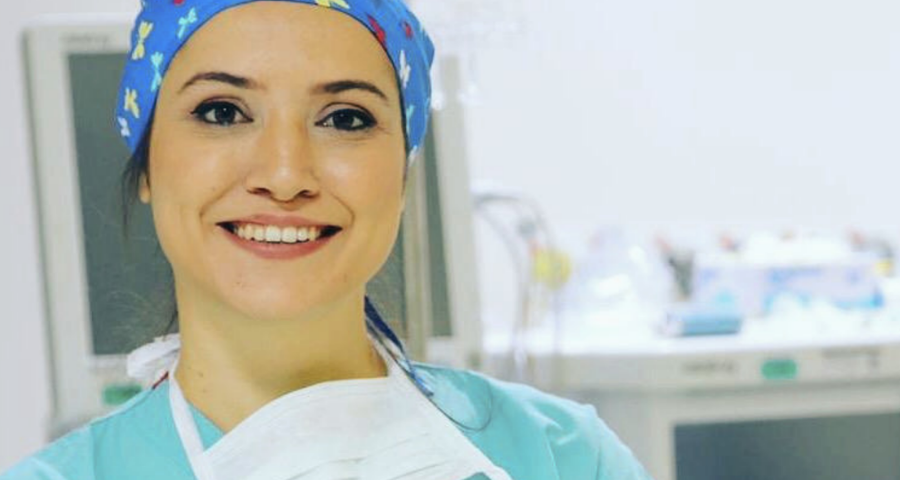
Considering rhinoplasty or facial aesthetics in Istanbul? Start with a free online consultation with Dr. Havva Duru İpek.
Request Appointment Message on WhatsAppFrequently Asked Questions
How long should I stay in Istanbul for rhinoplasty?
Plan for 7–10 days. The cast comes off around day 7, and most patients fly home on day 8 or 9.
Will I be in pain after the surgery?
Most patients describe rhinoplasty as uncomfortable rather than painful. Simple oral analgesics manage discomfort for 2–4 days.
Is rhinoplasty in Turkey safe?
Yes — when you choose a board-certified surgeon operating in a Ministry of Health–licensed International Health Tourism Center.
When can I see the final result?
About 70–80% of swelling resolves by month 6. Full final shape is typically visible at 12 months and refines through 18 months in thick-skinned patients.
What is included in an Istanbul rhinoplasty package?
Surgeon's fee, anesthesia, hospital, all medications, the cast, internal splints, hotel for 4–6 nights, VIP transfers and follow-up. Flights are not usually included.
Related Articles
- Ultrasonic Piezo Rhinoplasty
- Revision Rhinoplasty
- Rhinoplasty Cost: Turkey vs UK/US/EU
- Rhinoplasty Recovery Timeline