
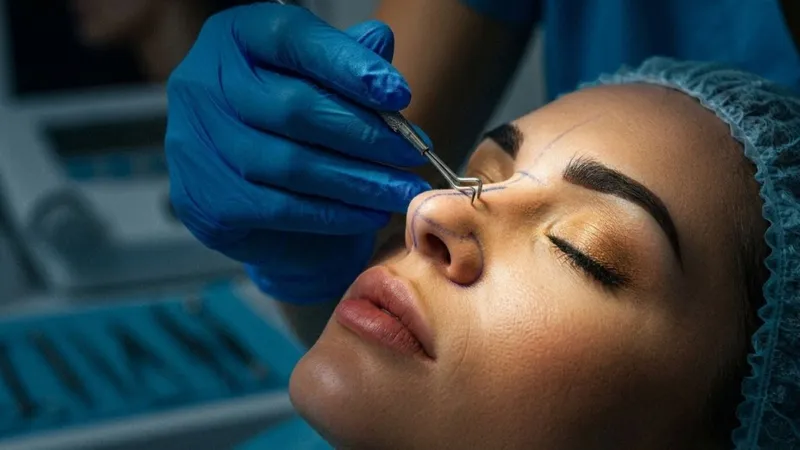
Rhinoplasty
Rhinoplasty in Istanbul, Turkey — planned around the patient: goals, simulation, piezo technique, primary and revision surgery.
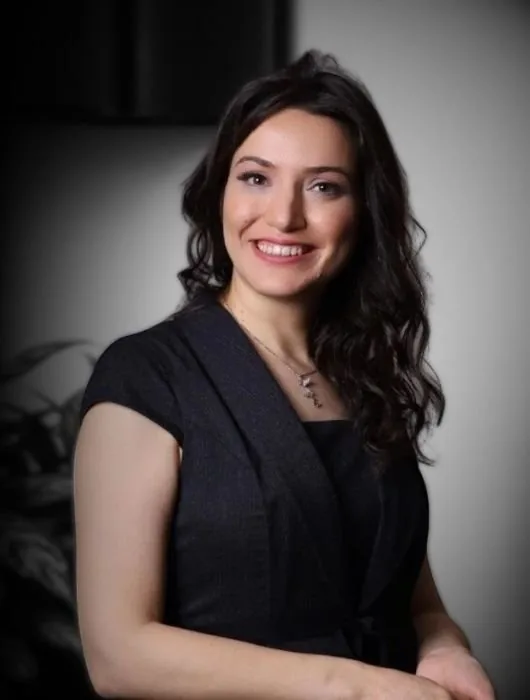 Dr. Havva Duru İpek wrote and medically reviewed this article · · Credentials and sources
Rhinoplasty reshapes the nose to improve its appearance, proportions and, when necessary, its function. The aim is not to create one universally ideal nose, but to achieve the most harmonious and appropriate result for each individual face. At Dr. Havva Duru İpek Clinic in Nişantaşı, Istanbul, rhinoplasty is planned around the patient's wishes, facial anatomy, nasal structure and realistic surgical possibilities.
Rhinoplasty Designed Around You
Who is rhinoplasty for?
Rhinoplasty may be suitable for patients who:
- Are unhappy with the shape, size, projection, width or profile of their nose
- Feel that their nose is disproportionate to the rest of their face
- Want a natural, subtle, defined or more stylised appearance
- Have nasal asymmetry or structural concerns
- Experience breathing difficulties related to nasal structure
- Require correction after previous nasal surgery, in the case of revision rhinoplasty
The procedure is not based on a standardised aesthetic template. Suitability and the achievable result depend on the individual patient's anatomy, tissues, expectations and overall facial proportions.
Understanding Your Goals Comes First
What kind of nose do you want?
Do you prefer a natural and subtle result, a more defined or "Barbie" appearance, or something between the two?
This is an important part of the consultation.
Dr. İpek first listens carefully to what the patient wants and why they are considering surgery. However, the desired appearance must also be compatible with the patient's facial proportions, bone structure, cartilage, skin thickness and nasal anatomy.
A nose that looks beautiful on one face may not be appropriate for another.
The objective is to understand both sides of the equation: what does the patient want, and what can be created harmoniously and responsibly for that individual face?
How is the surgical plan created?
During the consultation, Dr. İpek evaluates the nose in relation to the entire face, including the forehead, eyes, cheeks, lips, chin and overall facial proportions.
When appropriate, multiple nasal simulations are performed together with the patient before surgery. Rather than presenting one predetermined design, different possibilities and proportions can be explored to establish a shared understanding of the desired result.
The simulation is not a guarantee or an exact prediction of the postoperative appearance. It is a communication and planning tool that helps align the patient's expectations with the surgical possibilities.
Surgical Technique
Which surgical technique is used?
Dr. İpek performs rhinoplasty using the open approach.
The open technique provides direct and comprehensive access to the nasal framework, allowing detailed evaluation and precise structural modification. This is particularly important when significant reshaping, refinement or structural support is required.
For bone and cartilage refinement, Dr. İpek uses ultrasonic piezo technology and a micro-drill, allowing controlled, millimetric adjustments to the nasal structures.
The aim is not simply to make the nose smaller or more sculpted. It is to make precise changes that serve the overall facial design while respecting the patient's anatomy and structural integrity.
What is primary rhinoplasty?
Primary rhinoplasty is the first nasal surgery a patient undergoes.
However, there is no single standard primary rhinoplasty result. Some patients prefer an extremely natural change, while others want a more defined, lifted or stylised appearance. Many seek something uniquely their own.
Dr. İpek's role is to understand the desired appearance, assess what is suitable for the individual face and determine what can realistically be achieved through surgery.
The goal is a nose that belongs to the patient's face — not a nose created from a standard template.
Revision Rhinoplasty
What is revision rhinoplasty?
Revision rhinoplasty is surgery performed after one or more previous nasal operations. It is fundamentally different from primary rhinoplasty because previous surgery may have altered the anatomy, weakened cartilage, reduced structural support or created scar tissue.
Some patients seeking revision have undergone two, three, four, five or more previous operations. Each additional procedure may increase the complexity of reconstruction.
Why is revision rhinoplasty more complex?
Revision surgery requires a careful analysis of:
- What has changed anatomically
- Which structures remain intact
- How much cartilage is still available
- Whether scar tissue or previous grafts affect the reconstruction
- What is required for both aesthetic improvement and nasal function
The operation is not simply a matter of repeating or modifying the previous surgery.
Is rib cartilage sometimes necessary?
When the patient's existing cartilage is insufficient or unsuitable, their own rib cartilage may be used.
Rib cartilage is not used merely to add volume. In selected complex cases, it may be necessary to reconstruct structural support, restore stability and create a stronger nasal framework capable of maintaining its shape over time.
The objective is to achieve a structurally sound, aesthetically harmonious and functionally supportive result, with the aim of avoiding the need for further revision whenever possible.
Procedure Process
When should international patients arrive in Istanbul?
Patients should arrive in Istanbul at least one day before surgery.
This allows sufficient time for:
- Preoperative medical assessment
- Blood tests
- Clinical photographs
- Detailed consultation with Dr. İpek
- Nasal simulation and final surgical planning, when appropriate
- Anaesthesia evaluation
- Preparation for surgery
Is rhinoplasty performed under general anaesthesia?
Yes. Rhinoplasty is performed under general anaesthesia in a hospital setting.
How long does the operation take?
The average surgical duration is approximately:
- Primary rhinoplasty: around 2–2.5 hours
- Revision rhinoplasty: approximately 3–4 hours
The exact duration depends on the complexity of the case and the procedures required.
How long do patients stay in hospital?
Patients generally stay one night in the hospital following surgery for monitoring and postoperative care.
When is the nasal cast removed?
The nasal cast is generally removed on the 5th postoperative day.
After the cast is removed and the patient is clinically assessed, international patients can generally travel safely by air and return to their home country.
After the Procedure
When can I return to my country?
International patients can generally return home after the cast is removed, usually around the 5th postoperative day, provided that the postoperative assessment is satisfactory.
In practical terms, patients should plan to remain in Istanbul for approximately 7–10 days, depending on their individual recovery, travel arrangements and the postoperative plan.
When will I see the final result?
The nose continues to change as swelling gradually resolves and the tissues settle.
Although a significant improvement is visible relatively early, the final shape develops progressively. Depending on the patient, skin thickness, tissue characteristics and whether the surgery is primary or revision, complete refinement may take 1–2 years.
This is particularly relevant in revision rhinoplasty, where swelling and tissue healing may take longer.
Is swelling normal after rhinoplasty?
Yes. Swelling, stiffness, temporary asymmetry and changes in nasal definition are normal parts of recovery.
The early postoperative appearance should not be considered the final result. Healing progresses gradually and differs from patient to patient.
Risks and Safety
What are the risks of rhinoplasty?
As with any surgical procedure, rhinoplasty carries potential risks. These may include bleeding, infection, swelling, temporary numbness, asymmetry, delayed healing, changes in nasal sensation, breathing concerns or the possibility that further treatment may be required.
In revision rhinoplasty, the risks and complexity may be greater because of previous surgery, scar tissue and reduced structural support.
How are risks reduced?
Dr. İpek takes a careful, individualised approach to surgical planning. Risk reduction includes:
- Detailed preoperative assessment
- Evaluation of the nasal structure and facial proportions
- Appropriate patient selection
- Careful surgical planning and simulation
- Use of controlled surgical techniques
- Attention to structural support and nasal function
- Postoperative monitoring and follow-up
The aim is to achieve the best possible result while respecting the limitations of the patient's anatomy and avoiding unnecessary or excessive intervention.
No surgical result can be guaranteed, but careful planning, appropriate technique and realistic expectations are essential to achieving a safe and harmonious outcome.
A Personalised Approach
No two noses are identical, and no two patients have exactly the same expectations.
At Dr. Havva Duru İpek Clinic, every rhinoplasty plan is created individually after personal evaluation. The objective is not to impose one aesthetic on every patient, but to understand the patient's wishes and determine what can be achieved safely, appropriately and harmoniously.
The starting point is always the same:
What do you want? Why do you want it? Is it right for your face? And what can be done to achieve it responsibly?
That is where the surgical plan begins. For a personal consultation, use the contact page.
Other topics

Ethnic Rhinoplasty
Ethnic rhinoplasty preserves facial identity using structural cartilage grafting rather than aggressive reduction. By…
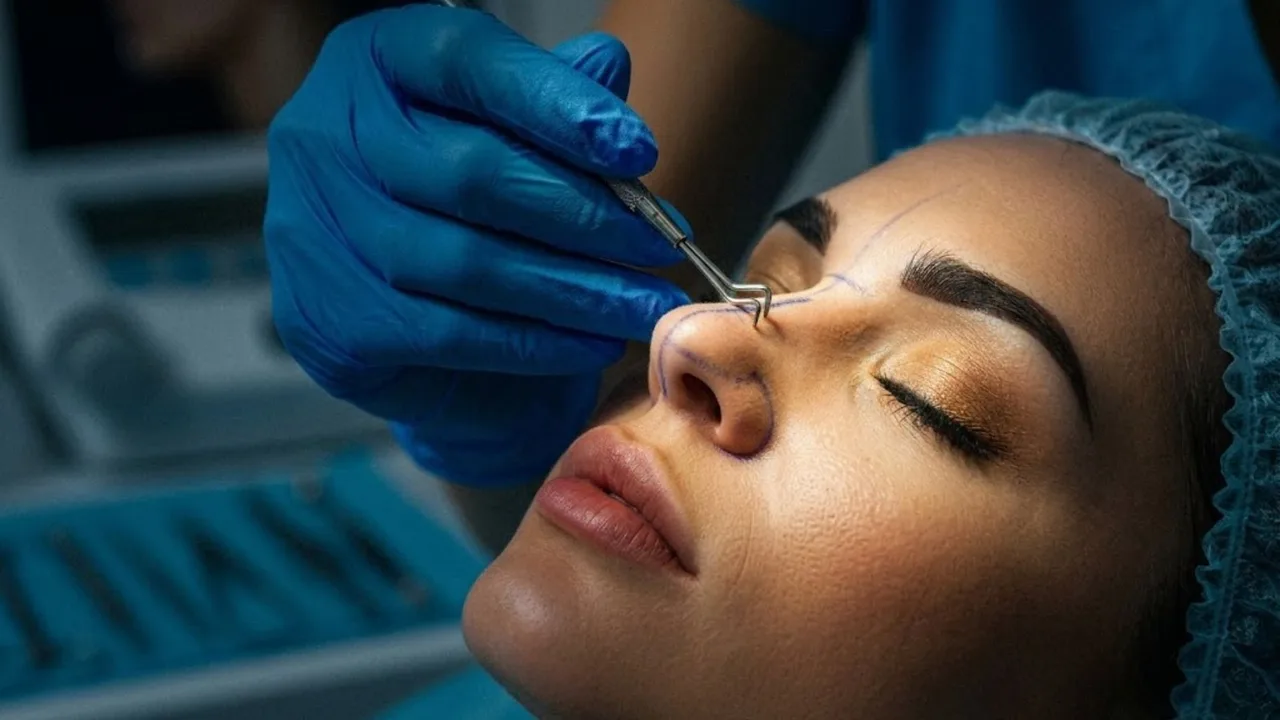
Primary Rhinoplasty
First-time nose surgery with the open technique and ultrasonic piezo sculpting: planning, recovery timeline and…

Revision Rhinoplasty
Revision rhinoplasty corrects a previous unsuccessful nose surgery using rib, ear and DCF grafts to rebuild breathing…

Rhinoplasty Before & After
Real patient results from Dr. Havva Duru İpek's Nişantaşı clinic, presented as video, so results can be judged the…

Rhinoplasty Cost
How much does rhinoplasty cost in Turkey vs UK, US and EU in 2026? Real comparisons, hidden costs and how to choose…

Preservation Rhinoplasty
Preservation rhinoplasty reshapes the nose while keeping the natural dorsal structure intact, for a more predictable…
Frequently asked questions
Will my nose look exactly like a reference photo?
Not necessarily. Reference photographs are useful for understanding your aesthetic preferences, but every face and nasal structure is different. Dr. İpek uses reference images to understand your goals while creating a result appropriate for your own anatomy and facial proportions.
Can I choose between a natural and a more defined nose?
Yes, your aesthetic preference is an important part of the consultation. Dr. İpek discusses the degree of definition, lift, refinement or naturalness you prefer and evaluates what is realistically suitable for your face.
Is rhinoplasty only about appearance?
No. Rhinoplasty also involves nasal structure, support and, when relevant, breathing function. A successful result should consider both aesthetics and function.
Can rhinoplasty correct breathing problems?
When breathing difficulties are related to nasal structural problems, rhinoplasty may include functional correction. Each patient requires individual assessment.
Is revision rhinoplasty always more difficult?
Revision rhinoplasty is generally more complex because previous surgery may have changed the anatomy, weakened the cartilage or created scar tissue. The difficulty depends on the number and extent of previous operations and the condition of the remaining structures.
Will I need rib cartilage?
Not every revision patient requires rib cartilage. It is considered when existing cartilage is insufficient, weakened or unsuitable for the structural reconstruction required.
Can I fly after the cast is removed?
International patients can generally fly home after the cast is removed and the postoperative examination is satisfactory, usually around the 5th postoperative day. Individual advice may vary depending on the recovery.
When should I expect the final result?
The nose continues to refine over time. The final result may take approximately 1–2 years, particularly in cases involving thick skin, extensive structural work or revision surgery.
Is the simulation an exact prediction?
No. Simulation is a planning and communication tool. It helps establish a shared understanding of the desired direction, but the final result is influenced by anatomy, tissue behaviour, healing and surgical limitations.
Written and medically reviewed by: Dr. Havva Duru İpek — Facial Plastic Surgery / Otolaryngology (Ear, Nose & Throat), Istanbul
Last reviewed: · Next review: 2027-09
Site editor: · Our editorial policy
Book an Appointment
The information here is general. What it means for your specific case will become clear after examination and any necessary tests. If you have prior test results or reports, please bring them with you.