
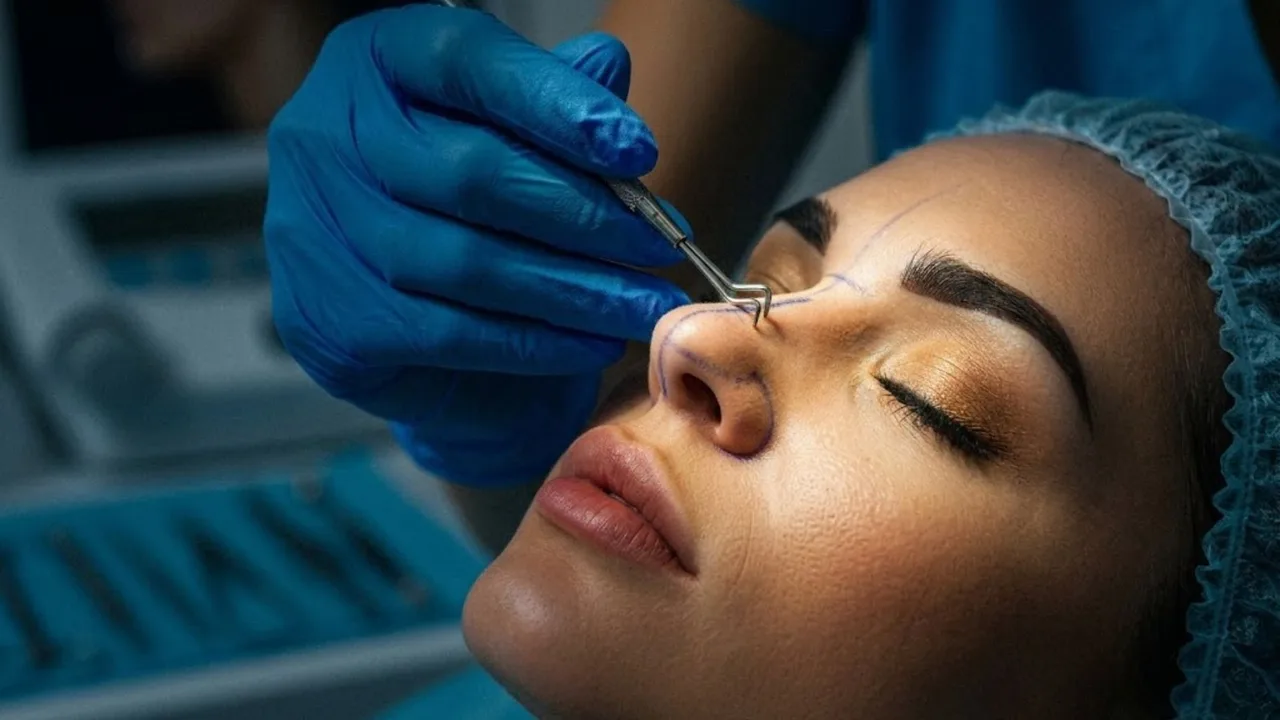
Rhinoplasty
Primary Rhinoplasty
First-time nose surgery with the open technique and ultrasonic piezo sculpting: planning, recovery timeline and pricing. Dr. Havva Duru İpek, Istanbul.
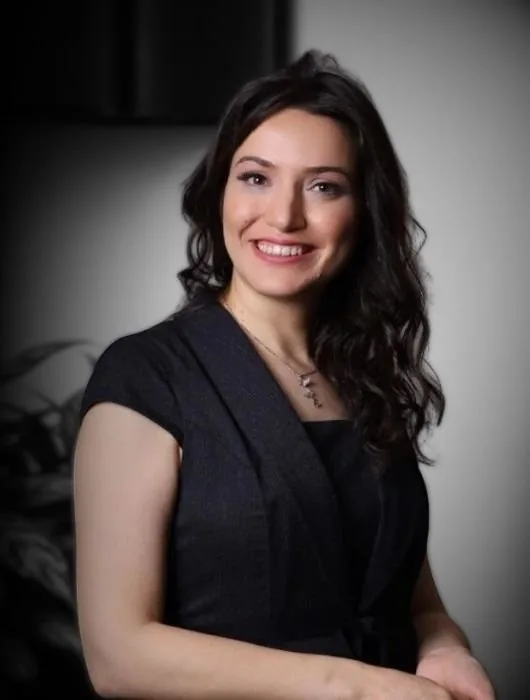 Dr. Havva Duru İpek wrote and medically reviewed this article · · Credentials and sources
| Duration of the operation | 2–2.5 hours |
|---|---|
| Anaesthesia | General anaesthesia |
| Onset of effect | Visible improvement as soon as the cast is removed (day 5) |
| Permanence | Permanent; final result settles over 1–2 years |
| Return to daily life | 10–14 days |
| Not carried out in | Not stated in source material |
| Number of sessions | Single surgical session |
Primary rhinoplasty is a patient's first nose surgery, performed by Dr. İpek using the open approach with ultrasonic piezo technology. The surgery typically takes 2–2.5 hours and the nasal cast is removed on the 5th postoperative day. Most patients return to work in 10–14 days, and the final result continues to refine for 1–2 years.
What is primary rhinoplasty?
Primary rhinoplasty is the first nasal surgery a patient undergoes.
However, there is no single standard primary rhinoplasty result. Some patients prefer an extremely natural change, while others want a more defined, lifted or stylised appearance. Many seek something uniquely their own.
Dr. İpek's role is to understand the desired appearance, assess what is suitable for the individual face and determine what can realistically be achieved through surgery.
The goal is a nose that belongs to the patient's face — not a nose created from a standard template.
All pricing for primary rhinoplasty is provided transparently and in writing during the consultation, before any commitment is made. Because untouched, unscarred tissue is far easier to work with, primary rhinoplasty is significantly more affordable than revision surgery, and is typically 40–70% more affordable than equivalent procedures in the US or UK. All fees — pre-operative assessments, anaesthesia, the procedure itself and follow-up — are included, with no hidden costs.
Patients researching the ultrasonic piezo technology used during surgery can also read Dr. İpek's dedicated article, Piezo Rhinoplasty: A Safe and Precise Method, on her academic site.
What results can you expect?
- Customised nasal reshaping planned around the individual's anatomy and goals.
- Ultrasonic (piezotome) technology for more precise bone sculpting.
- Facial proportion balance, so the nose sits in harmony with the rest of the face.
- Improved breathing through septoplasty when combined with the procedure.
- Permanent, natural results once healing is complete.
- Dedicated aftercare support throughout recovery.
Who is a good candidate?
Primary rhinoplasty addresses a range of concerns, and the surgical plan is customised to each of them:
- Dorsal hump removal, for patients with a visible bump along the bridge.
- Bulbous tip refinement, for patients whose tip is rounded or poorly defined.
- Ethnic rhinoplasty, refining proportions while working with the patient's natural anatomy.
- Male primary rhinoplasty, planned around the stronger, more angular aesthetic many male patients prefer.
How the procedure is performed
The surgical plan follows a few consistent principles: first-time success, fully customised surgical planning, clear and honest communication, comprehensive aftercare, advanced ultrasonic technology, structural support where needed, and expert execution by a dedicated specialist. The surgery is performed under general anaesthesia using the open approach, and typically takes 2–2.5 hours depending on the complexity of the case and whether functional septoplasty is performed at the same time. Patients generally stay one night in hospital for monitoring.
Recovery & results
Most patients report discomfort and nasal congestion rather than sharp pain in the first few days — comparable to a severe head cold — and this is well managed with prescribed medication. Significant pain is not typical. The nasal cast is generally removed on the 5th postoperative day, after which international patients can usually travel home once the postoperative assessment is satisfactory; in practice a stay of approximately 7–10 days in Istanbul is advisable, and most patients take 10–14 days off work. A significant improvement is visible immediately after cast removal, but complete refinement — particularly in the tip — may take 1–2 years.
Risks and possible side effects
The open approach involves a small incision across the columella; this heals extremely well and becomes virtually invisible within a few months. As with any surgical procedure, potential risks include bleeding, infection, swelling, temporary numbness, asymmetry, delayed healing or the possibility that further treatment may be required. Discomfort and congestion in the days after surgery are expected, but significant pain is not typical — if pain is more than mild, the surgical team should be contacted.
Frequently asked questions
How long does a primary rhinoplasty take?
The surgery typically takes around 2–2.5 hours, depending on the complexity of the case and whether functional septoplasty is also being performed.
Is primary rhinoplasty painful?
Most patients report discomfort and congestion rather than sharp pain — similar to a severe head cold for the first few days. This is well managed with prescribed medication. Significant pain is not typical.
When can I return to work after rhinoplasty?
Most patients take 10–14 days off. The cast is removed on the 5th postoperative day and visible bruising usually fades over the following days, allowing a return to normal social and professional activities. International patients should plan to stay in Istanbul for approximately 7–10 days.
Will I have visible scars?
Dr. İpek performs rhinoplasty using the open approach, which involves a tiny incision across the columella. This heals extremely well and becomes virtually invisible within a few months.
How long until I see my final rhinoplasty result?
You will see a significant improvement immediately after cast removal. However, complete refinement may take 1–2 years, particularly in cases involving thick skin or extensive structural work — residual swelling lingers longest in the nasal tip.
Written and medically reviewed by: Dr. Havva Duru İpek — Facial Plastic Surgery / Otolaryngology (Ear, Nose & Throat), Istanbul
Last reviewed: · Next review: 2027-09
Site editor: · Our editorial policy
Sources
Book an Appointment
The information here is general. What it means for your specific case will become clear after examination and any necessary tests. If you have prior test results or reports, please bring them with you.