Blog · Rhinoplasty
The Piezo Ultrasonic Device: How It Reshapes Bone and Spares Soft Tissue
Dr. Havva Duru İpek explains her piezo ultrasonic device: 12 fine tips that reshape bone millimetre by millimetre while sparing vessels, nerves and muscle.
 Dr. Havva Duru İpek wrote and medically reviewed this article · · Credentials and sources
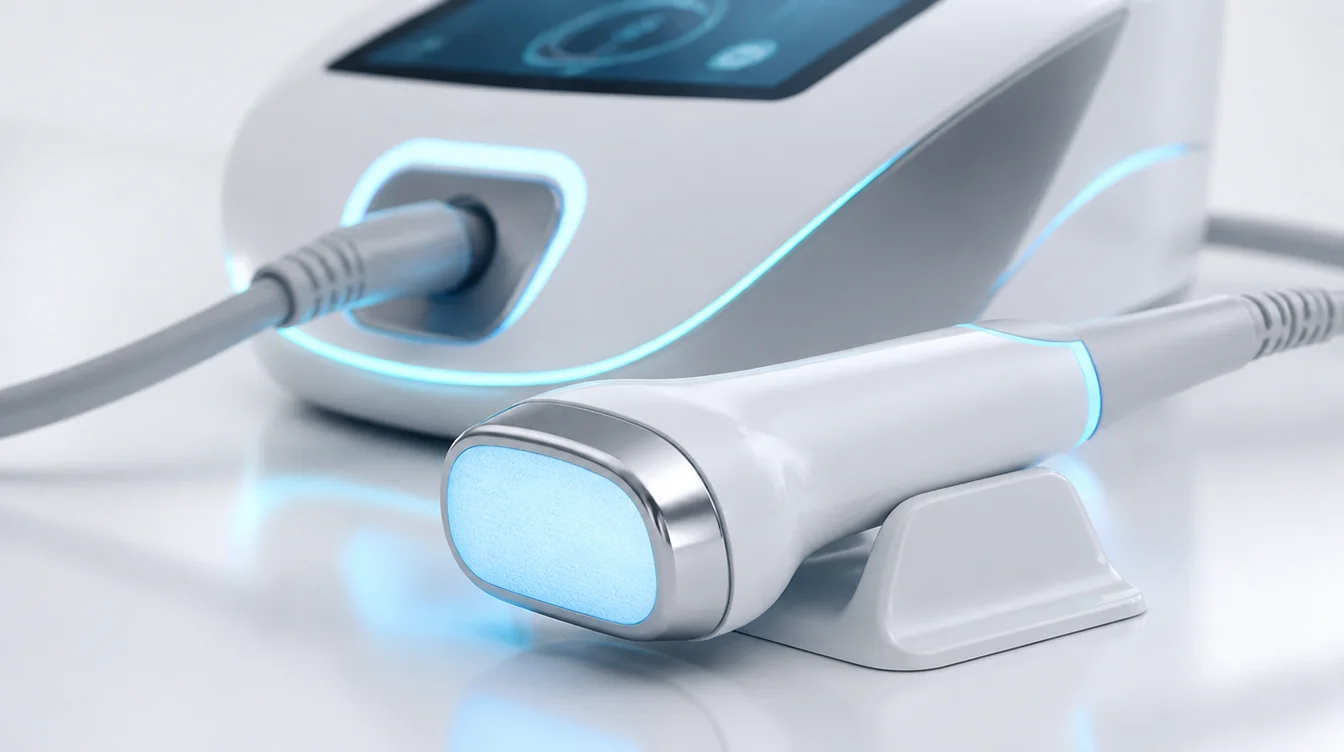
The piezo ultrasonic device is a surgical handpiece whose vibrating tip reshapes bone while largely sparing vessels, nerves and muscle. Dr. Havva Duru İpek uses its 12 fine tips to work on the nasal bones a millimetre at a time. Patients usually see less bruising and swelling than with chisels and rasps. It does not shape cartilage.
In Dr. İpek's Own Words
Dr. Havva Duru İpek describes the device she relies on in the operating room in her own words:
"I want to talk about the piezo ultrasonic device today. It is very important for all my surgeries because it doesn't damage the soft tissues like vessels, nerves and muscles. So we see really less bruising and less swelling after surgery. It has 12 different fine tips, and we can reshape the bone in very millimetric places, very carefully and very sensitively."
She then touched the working tip to her own hand to show what she meant: the instrument kept running, and her skin stayed intact. In her words, it "just reshapes the bone very politely."
This article explains what is happening in that demonstration, why it matters for your recovery, and where the technology stops.
What the Piezo Ultrasonic Device Actually Is
A piezo device turns electrical energy into very fast mechanical vibration using a piezoelectric crystal in the handpiece. That vibration passes to a small titanium or diamond-coated tip. The tip moves only a few dozen microns, but it moves tens of thousands of times per second.
This kind of micro-vibration works well on hard, mineralised tissue such as bone. Soft, elastic tissue such as skin, blood vessels, nerves, mucosa and muscle mostly moves with the vibration instead of being cut by it. Surgeons call this selective cutting, and it is the whole point of the device.
With traditional instruments, the surgeon taps an osteotome (a chisel) with a mallet or files the bone with a rasp. Those tools work, but they are not selective. They break and grind bone mechanically, and the soft tissue around the bone takes some of the force.
Why "Soft-Tissue Sparing" Matters for You
When Dr. İpek says the device "doesn't damage the soft tissues," she is describing what patients see in the days after surgery.
- Less bruising. The dark circles under the eyes after rhinoplasty come mainly from injured small vessels around the nasal bones. With fewer injured vessels, there is less blood under the skin.
- Less swelling. Less trauma means less inflammation. The early swelling in the first one to two weeks is usually milder.
- Nerves and muscle are respected. The fine nerves and muscle fibres around the nose and eyes are less disturbed, which supports a more comfortable early recovery.
- The lining is protected. The mucosa inside the nose can be preserved more easily, which helps healing on the inside as well as the outside.
Randomised trials and systematic reviews (listed below) report less early oedema (swelling) and less ecchymosis (bruising) with piezo osteotomies than with conventional ones. The difference is clearest in the first postoperative week.
Twelve Fine Tips, One Millimetre at a Time
The second thing Dr. İpek highlights is the 12 different fine tips. This is where precision comes from.
The tips do different jobs:
- Cutting tips make thin, controlled bone cuts (osteotomies) to narrow a wide bridge or close an open roof after a hump is removed.
- Rasping tips lower a bony hump gradually instead of removing it in one piece.
- Smoothing and polishing tips refine the surface so no small step or edge can show through the skin later.
- Angled and miniature tips reach small areas, such as the junction between the nasal bones and the upper lateral cartilages.
Because she can change tips during the operation, she uses the tool that best fits each spot. That is what she means by working "in very millimetric places, very carefully and very sensitively." For thin-skinned patients, where even a tiny irregularity can become visible a year later, this level of finishing matters a great deal.
The Hand Demonstration, Explained
Seeing a surgeon touch an active surgical tip to her own skin can be surprising. It works for the reason described above: the tip's movement is tuned to hard tissue, and elastic skin moves with it instead of being cut.
This is a demonstration of selectivity, not proof that the device is harmless in every situation. In the operating room, the device is still used with irrigation (to keep the bone cool), controlled pressure and full surgical care. The demonstration simply shows why the tissues around the bone come through the surgery in better condition.
What Piezo Does Not Do
Piezo is a precise tool, but it is a bone tool.
- It does not shape cartilage. The nasal tip, the septum and the lower part of the nose are still shaped with sutures, grafts and the surgeon's hands. That is where much of the artistry of rhinoplasty lies.
- It does not remove bruising entirely. Most patients bruise less, but healing varies. Some still have mild bruising for several days.
- It does not replace planning. A refined result depends on analysing the face, the skin and the patient's goals before the first incision.
This is why Dr. İpek describes piezo as an important part of her surgery, not the whole of it.
Who Benefits Most
The device helps most whenever bone has to be reshaped. That includes:
- primary rhinoplasty with a dorsal hump or a wide bony bridge
- revision rhinoplasty, where earlier surgery has left irregular bone and scarred soft tissue that should be disturbed as little as possible
- preservation rhinoplasty, where precise, controlled bone cuts are essential
- patients with thin skin or a tendency to bruise easily
For a broader overview of the technique, its evidence and its practical limits, see our guide to ultrasonic piezo rhinoplasty. For what to expect week by week, read the rhinoplasty recovery timeline and our tips to reduce swelling after rhinoplasty.
The Takeaway
The piezo ultrasonic device lets a surgeon reshape bone with fine, interchangeable tips while the vessels, nerves and muscles around it are largely spared. For patients, that usually means less bruising, less swelling and smoother bone contours. As Dr. İpek puts it, the device "just reshapes the bone very politely." The overall result still depends on careful planning and the hands-on shaping of the cartilage.
If you are considering nose surgery and want to know whether piezo would make a difference in your case, you can book a consultation with Dr. İpek.
Frequently asked questions
What is a piezo ultrasonic device?
It is a surgical handpiece whose tip vibrates at ultrasonic frequency. The vibration cuts and shapes mineralised tissue such as bone, while soft tissues like vessels, nerves and muscle are largely left intact.
Why does piezo surgery cause less bruising and swelling?
Most bruising after rhinoplasty comes from injury to the small vessels and soft tissue around the nasal bones. Because the piezo tip works selectively on bone, there is less of that soft-tissue trauma, so bruising and swelling are usually milder and settle sooner.
Why does the device have 12 different tips?
Each tip has a different shape and purpose — some cut, some rasp, some smooth. Switching between them lets the surgeon do a fine osteotomy, lower a hump or polish a small irregularity with the tool best suited to that exact spot.
If the tip touches skin, does it cut it?
Not in the way a blade or saw would. The vibration is tuned to hard tissue, which is why Dr. İpek can rest the active tip on her own hand. This is a demonstration of selectivity, not a reason for carelessness — the device is still handled with full surgical precision.
Does piezo mean no bruising at all?
No. It reduces soft-tissue trauma but does not remove it. Healing still varies from person to person, and some patients have mild bruising for several days.
Is piezo used for the nasal tip and cartilage?
No. Piezo is a bone tool. The tip, septum and other cartilage are still shaped by hand with sutures and grafts.
Written and medically reviewed by: Dr. Havva Duru İpek — Facial Plastic Surgery / Otolaryngology (Ear, Nose & Throat), Istanbul
Last reviewed: · Next review: 2027-10
Site editor: · Our editorial policy
Sources
Book an Appointment
The information here is general. What it means for your specific case will become clear after examination and any necessary tests. If you have prior test results or reports, please bring them with you.