
Blog · Rhinoplasty
Ultrasonic Piezo Rhinoplasty
Ultrasonic (piezo) rhinoplasty in Istanbul — modern bone refinement with less swelling, less bruising and more precision, by Dr. Havva Duru İpek.
 Dr. Havva Duru Ipek wrote and medically reviewed this article · · Credentials and sources
Ultrasonic piezo rhinoplasty uses a vibrating titanium tip to sculpt nasal bone with sub-millimeter precision, sparing soft tissue and blood vessels. The result is less bruising, faster social recovery (often 7–10 days), and a more refined long-term bridge — especially valuable for thin skin or prominent dorsal humps. Piezo affects bone only; tip and cartilage shaping still rely on the surgeon's hands, so it is worth evaluating the whole result, not just the equipment.
Ultrasonic Piezo Rhinoplasty: Why It's Becoming the Gold Standard
If you've researched rhinoplasty in the last two years, the term ultrasonic piezo has probably surfaced. It is one of the most meaningful technique upgrades in nose surgery in the past decade — and a small but growing number of Istanbul surgeons have made it their default approach. Here's what it is, why it matters, and where its limits lie.
What Is Piezo Rhinoplasty?
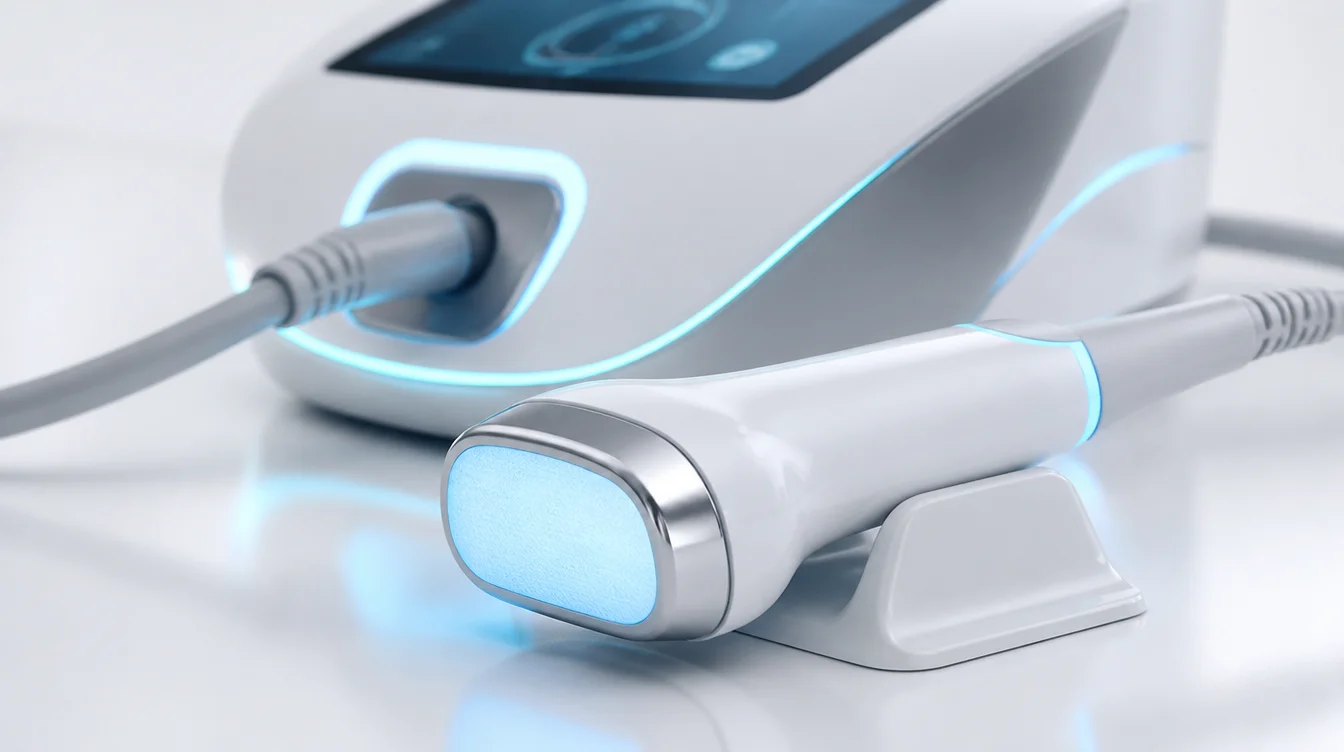
Traditional rhinoplasty reshapes nasal bone with mechanical instruments — rasps, osteotomes and chisels. These work, but they are blunt: they fracture and abrade bone in a relatively imprecise way, which is one of the reasons traditional surgery causes substantial bruising under the eyes for 1–2 weeks. Ultrasonic piezo surgery uses a vibrating tip — the piezoelectric scalpel — to cut and reshape bone at frequencies that affect mineralized tissue but largely spare soft tissue, blood vessels and cartilage.
The Four Real Advantages
- Less bruising: because soft tissues are protected, periorbital bruising is dramatically reduced. Many piezo patients are presentable within 7–10 days.
- Greater precision: the surgeon can shave, contour and sculpt bone in fractions of a millimeter — critical on the dorsum and at the bony pyramid.
- Predictable osteotomies: the bone cuts that narrow the bridge are cleaner and more linear, reducing irregular healing edges that can show through thin skin years later.
- Better for delicate skin: patients with thin, fair skin (where every irregularity is visible) typically benefit the most.
What Piezo Doesn't Change
Piezo affects bony work. The cartilage of the tip, the septum and the alar base is still managed with traditional sutures and grafts — and that's where most of the artistry of rhinoplasty actually lives. A surgeon who is mediocre at tip shaping does not become great because they own a piezo handpiece. It is always worth evaluating a surgeon's whole result, not just their equipment.
Recovery on a Piezo Nose
Recovery is similar in shape to traditional rhinoplasty (cast for one week, swelling resolving over 12 months) but the early phase is gentler. Patients commonly return to social activity at the 10-day mark instead of waiting two to three weeks for bruising to fade.
Is It More Expensive?
The piezoelectric handpiece and tips are an investment for the surgeon, so packages that include piezo are sometimes a few hundred euros more than a traditional rhinoplasty package. For most patients, the upgrade is worth it.
Who Should Consider Piezo First
Patients with prominent dorsal humps requiring narrowing, patients with thin skin, patients prone to bruising, and revision cases where soft-tissue preservation is critical. If a surgeon doesn't routinely offer piezo and a patient fits one of these profiles, it's worth asking why.
Ultrasonic piezo isn't magic — it's a precision tool. In the right hands, it produces straighter bridges, less downtime, and a more refined long-term result.
Sık sorulan sorular
Frequently asked questions
Is piezo rhinoplasty safer than traditional rhinoplasty?
It's not safer in terms of major risk, but it produces less soft-tissue trauma, less bruising and cleaner bone work.
Can every patient have piezo rhinoplasty?
Most can. Patients whose work involves only cartilage may not see additional benefit, but anyone with bony work to do can benefit.
How much more does piezo cost?
Typically €300–€700 more than a standard package, depending on the clinic.
Does piezo eliminate bruising completely?
It dramatically reduces it but doesn't eliminate it. Some patients still get mild bruising; most are presentable within a week.
Written and medically reviewed by: Dr. Havva Duru Ipek — Facial Plastic Surgery / Otolaryngology (Ear, Nose & Throat), Istanbul
Last reviewed: · Next review: 2027-09
Site editor: · Our editorial policy
Sources
Book an Appointment
The information here is general. What it means for your specific case will become clear after examination and any necessary tests. If you have prior test results or reports, please bring them with you.