

Facelift & Neck Surgery
Fat Transfer
Permanent volume restoration using your own fat, harvested and re-injected with a precise micro-droplet technique for the cheeks, temples, and under-eye area.
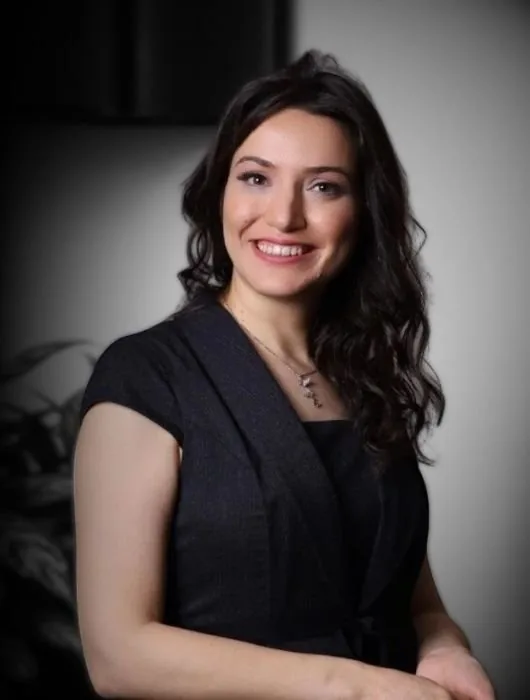 Dr. Havva Duru Ipek wrote and medically reviewed this article · · Credentials and sources
| Duration of the operation | 1–2 hours, combining fat harvesting and injection |
|---|---|
| Anaesthesia | Local anaesthesia with sedation, or general anaesthesia when combined with a facelift or neck lift |
| Onset of effect | Initial volume visible from around the 1-month mark, as swelling subsides |
| Permanence | Permanent — transferred fat that survives becomes living tissue |
| Return to daily life | Initial swelling settles within 2 weeks; results refine over 3–6 months |
| Not carried out in | Patients with uncontrolled systemic disease, active infection, unrealistic expectations, or insufficient donor fat for harvesting |
| Number of sessions | Single session combining fat harvesting and injection |
Facial fat transfer restores lost volume using the patient's own fat, harvested and re-injected with a precise micro-droplet technique. Because the transferred fat becomes living tissue, results are permanent. It is often combined with a facelift or neck lift for fuller facial rejuvenation.
What is a facial fat transfer?
Facial fat transfer is a dual-step procedure combining fat harvesting and injection in a single session. Procedure highlights include:
- Restoration of lost volume using the patient's own fat
- A dual-step procedure: harvesting followed by injection
- A precise micro-droplet injection technique
- Permanent results once the transferred fat survives and integrates as living tissue
- Often combined with a facelift or neck lift
- A cost-effective alternative to the recurring cost of repeated dermal filler treatments
Understanding the costs
Because fat transfer combines harvesting and injection in a single procedure and produces permanent results, it can be more cost-effective over time than the recurring costs associated with repeated dermal filler treatments.
Why quality & expertise matter
- Dual-procedure precision — harvesting and injection are both performed with careful technique to maximise fat graft survival.
- Permanent volume — surviving fat becomes living tissue, offering a permanent result rather than a temporary one.
- Stem cell benefits — transferred fat carries regenerative properties that can support surrounding tissue quality.
- Micro-droplet technique — fat is injected in small, precise droplets for a natural, even result.
- Tailored contouring — volume is placed according to each patient's individual facial anatomy and goals.
- Expert fat processing — careful processing of harvested fat helps maximise graft survival and result quality.
Visible transformations
- Full-face — fat transfer can restore volume across multiple areas of the face for an overall rejuvenated appearance.
- Under-eye — volume restoration in the under-eye area can soften hollowing and shadowing.
- Cheek — fat transfer to the cheeks restores fullness and a more youthful contour.
Who is a good candidate?
Fat transfer suits patients seeking a permanent alternative to repeated dermal filler treatments, particularly those with volume loss in the cheeks, temples or under-eye area. A suitable donor site — typically the abdomen, inner thighs or flanks — is needed for harvesting, and the right site is assessed according to the patient's own anatomy. It is often chosen by patients already planning a facelift or neck lift, as fat transfer is commonly combined with either for a more complete rejuvenation.
What to expect from the procedure
Fat transfer is performed as a single session combining harvesting and injection. Fat is harvested from the abdomen, inner thighs or flanks, depending on the patient's anatomy, then carefully processed before being re-injected using a precise micro-droplet technique. The donor site may feel sore for a few days afterward. The procedure is often combined with a facelift or neck lift in the same surgical plan.
The recovery process
- Healing timeline — initial swelling settles within about 2 weeks, with results continuing to refine over 3–6 months.
- Graft survival — a gentle, low-pressure harvesting technique combined with micro-droplet injection is used to maximise how much of the transferred fat survives.
- Lasting results — fat that survives the transfer process becomes living tissue, making the results permanent.
Managing risks
Risks are managed through precise micro-droplet placement, which helps avoid an overfilled or unnatural appearance.
How it compares to other techniques
- Fat transfer vs. dermal fillers — fat transfer uses the patient's own tissue for a permanent result, while dermal fillers are temporary and require repeated treatment.
- Fat transfer vs. Sculptra — both stimulate volume over time, but fat transfer uses the patient's own living tissue rather than a synthetic biostimulator.
- Fat transfer vs. lip filler — lip filler is a temporary, targeted injectable, while fat transfer offers a longer-lasting result using the patient's own fat.
Frequently asked questions
Can fat transfer be combined with a facelift or neck lift?
Yes, fat transfer is commonly combined with a facelift or neck lift for a more complete facial rejuvenation.
Where is the fat harvested from?
Fat is typically harvested from the abdomen, inner thighs, or flanks, depending on the patient's anatomy.
Does weight gain affect the transferred fat?
Yes — because the transferred fat becomes living tissue, it can respond to weight gain in the same way as fat elsewhere in the body.
Is fat transfer painful?
Discomfort is generally mild; the donor site may feel sore for a few days after the procedure.
What is "nano fat"?
Nano fat is a highly refined, emulsified form of fat used for superficial injection to improve skin quality rather than add significant volume.
Written and medically reviewed by: Dr. Havva Duru Ipek — Facial Plastic Surgery / Otolaryngology (Ear, Nose & Throat), Istanbul
Last reviewed: · Next review: 2027-09
Site editor: · Our editorial policy
Sources
Book an Appointment
The information here is general. What it means for your specific case will become clear after examination and any necessary tests. If you have prior test results or reports, please bring them with you.