
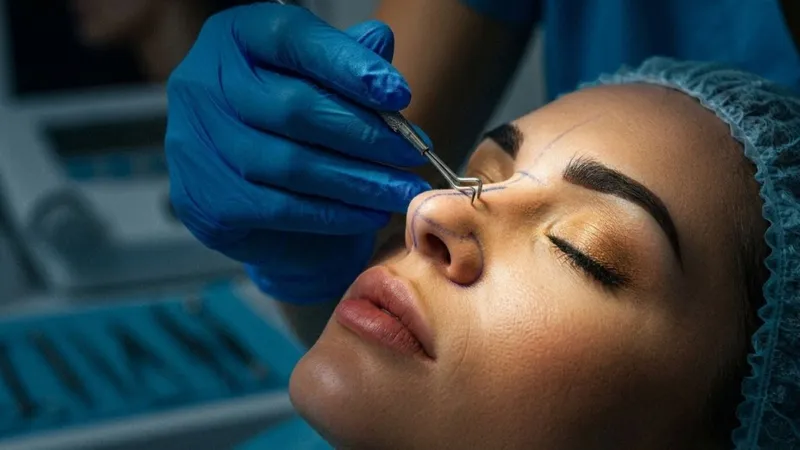
Rhinoplasty
Rhinoplasty at Dr. Havva Duru İpek Kliniği covers primary, revision and ethnic rhinoplasty, with cost information and before & after results.
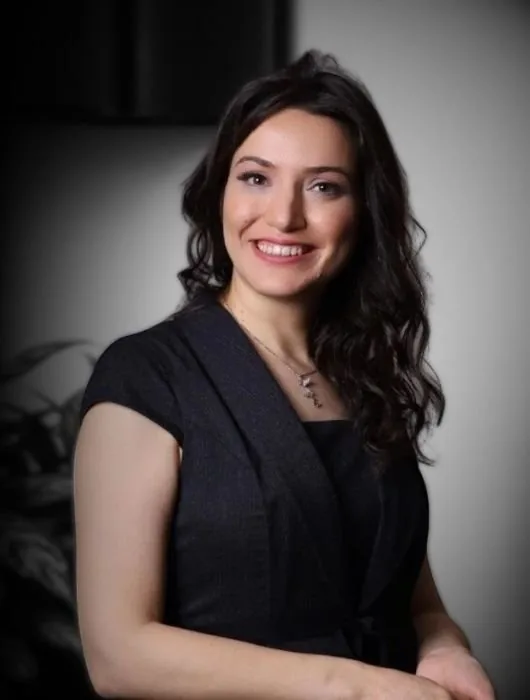 Dr. Havva Duru Ipek wrote and medically reviewed this article · · Credentials and sources
Dr. Havva Duru İpek is internationally recognised for complex revision rhinoplasty in Istanbul, receiving patients from across Europe, the Middle East, the Americas and beyond to correct the results of previous surgeries with structural precision and natural harmony. The same precision is applied to primary rhinoplasty for patients seeking their first nose surgery.
Bu bölümde ne var?
Revision rhinoplasty is not a second version of the first surgery — it is an entirely different discipline. Scarred tissue, weakened cartilage, lost structural support and altered anatomy demand a surgeon with deep, repeated experience in complex reconstruction. At Dr. Havva Duru İpek Kliniği in Nişantaşı, Istanbul, revision cases form a defining part of Dr. İpek's practice.
For patients seeking their first rhinoplasty, the same precision, planning and structural thinking that defines Dr. İpek's revision work is applied from the very first incision — because the strongest defence against ever needing a revision is a well-planned primary surgery. This section also covers ethnic rhinoplasty, which is designed to refine proportions while preserving the patient's identity, along with transparent cost information and before & after results.
Specialist revision rhinoplasty in the UK, US or Western Europe can be prohibitively expensive and is often performed by surgeons without true revision volume. Istanbul offers a combination of globally-respected surgical expertise at costs typically 40–70% lower than equivalent care abroad, with no compromise on safety, anaesthesia standards or follow-up. Primary rhinoplasty cost varies by technique (open, closed or ultrasonic) and complexity; revision rhinoplasty typically carries a higher investment due to its complexity, longer operating times and the frequent use of rib cartilage grafting.
Kimler için uygun?
Patients fly in from the United Kingdom, Germany, the Netherlands, France, the United States, the Gulf region and across the world — many after one, two or even three unsuccessful prior surgeries — seeking a surgeon with the technical confidence to restore both form and function. Primary rhinoplasty is aimed at patients undergoing their first nose surgery, including those considering ethnic rhinoplasty, who want a result that fits their existing bone structure, skin and facial proportions.
Süreç nasıl işler?
The choice between open and closed rhinoplasty depends on the patient's anatomy and goals. The open approach allows full visibility of the nasal framework; the closed approach keeps all incisions hidden inside the nostrils. Dr. İpek recommends the appropriate technique during the personal consultation. Many primary patients now choose ultrasonic (piezo) rhinoplasty, which uses precise sound waves to sculpt nasal bone, resulting in less bruising, more control and a smoother recovery than traditional instruments. For those exploring non-surgical options, the temporary nature of liquid rhinoplasty is also discussed openly, so the decision is fully informed.
In nearly every advanced revision case, the most decisive factor is the integrity of the underlying nasal skeleton. After a previous rhinoplasty, the septal cartilage normally used in primary surgery is often depleted, weakened or unavailable. To rebuild a stable, lasting framework, Dr. İpek frequently uses the patient's own rib (costal) cartilage — the gold standard graft material in modern revision rhinoplasty. Rib cartilage offers the strength, volume and longevity required to reconstruct a nose that breathes well, holds its shape and ages naturally.
Riskler ve karmaşık vakalar
Each revision is assessed individually. Some of the most common concerns that bring international patients to Dr. İpek's clinic in Istanbul include:
- Pollybeak deformity — supratip fullness creating a beaked profile, corrected with structural grafting and tip refinement.
- Inverted-V deformity — visible separation of the upper lateral cartilages, restored with spreader grafts from rib cartilage.
- Collapsed nasal valve — functional breathing difficulty after prior surgery, requiring full structural reconstruction.
- Pig-snout appearance — an over-rotated tip and shortened nose, rebuilt with caudal extension grafts for natural projection.
- Over-resection — excessive removal of bridge or tip cartilage, restored using volumetric rib cartilage grafting.
- Asymmetry and scarring — unnatural results from previous surgery, corrected with both internal restructuring and refinement.
Değerlendirmeyi kim yapar?
Whether a patient is considering a first rhinoplasty or seeking expert correction of a previous surgery, the consultation is the first step. International patients are welcomed daily at Dr. Havva Duru İpek's Nişantaşı, Istanbul clinic. For a personal consultation, use the contact page.
Other topics

Ethnic Rhinoplasty
Ethnic rhinoplasty preserves facial identity using structural cartilage grafting rather than aggressive reduction. By…
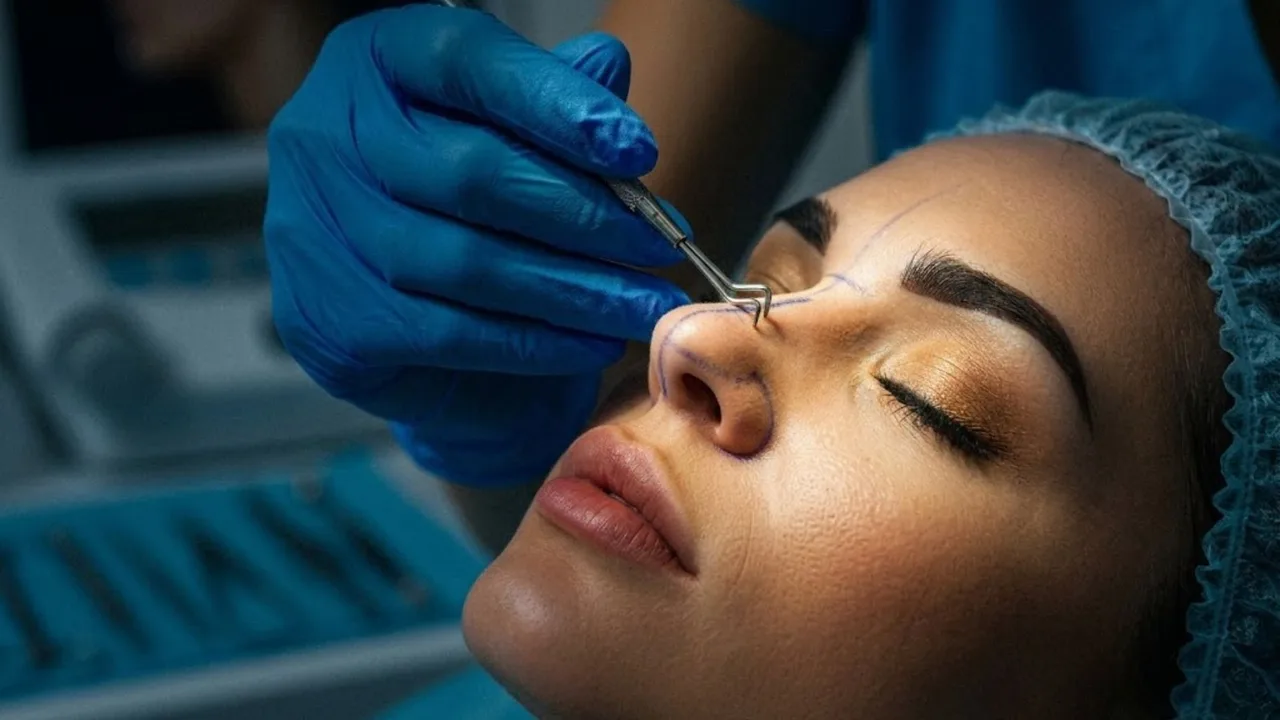
Primary Rhinoplasty
First-time nose surgery: open, closed and ultrasonic technique, preservation rhinoplasty, recovery timeline and…
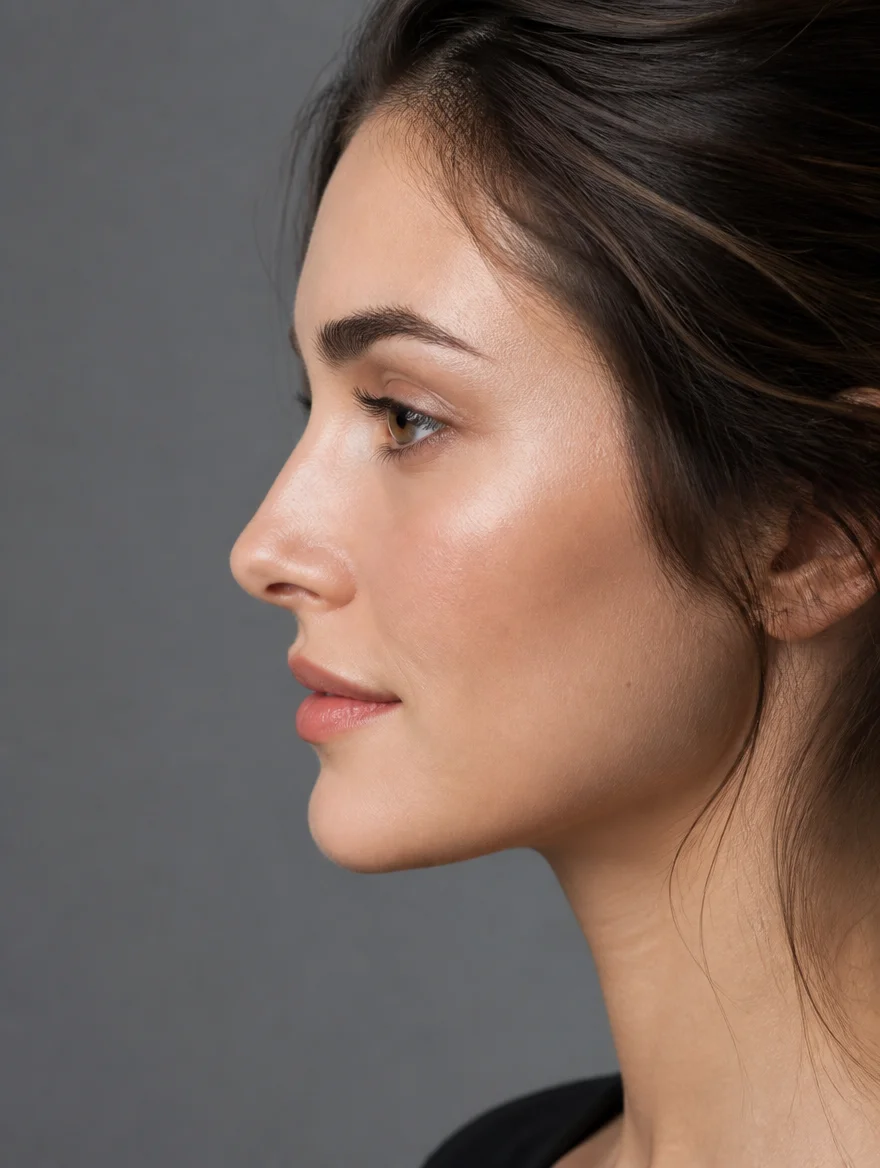
Revision Rhinoplasty
Revision rhinoplasty corrects a previous unsuccessful nose surgery using rib, ear and DCF grafts to rebuild breathing…

Rhinoplasty Before & After
Real patient results from Dr. Havva Duru İpek's Nişantaşı clinic, presented as video, so results can be judged the…

Rhinoplasty Cost
How much does rhinoplasty cost in Turkey vs UK, US and EU in 2026? Real comparisons, hidden costs and how to choose…

Preservation Rhinoplasty
Preservation rhinoplasty reshapes the nose while keeping the natural dorsal structure intact, for a more predictable…
Written and medically reviewed by: Dr. Havva Duru Ipek — Facial Plastic Surgery / Otolaryngology (Ear, Nose & Throat), Istanbul
Last reviewed: · Next review: 2027-09
Site editor: · Our editorial policy
Book an Appointment
The information here is general. What it means for your specific case will become clear after examination and any necessary tests. If you have prior test results or reports, please bring them with you.